Eid el-Maulud: Nigeria's Celebration of Prophet Muhammad's Birthday
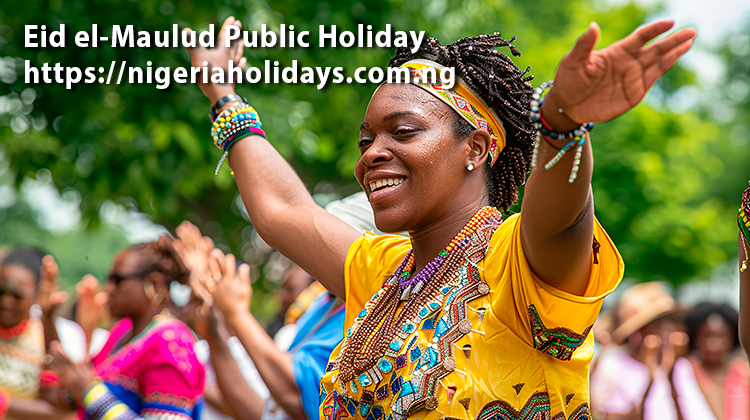
Every year, Muslims across Nigeria pause to commemorate Eid el-Maulud, a public holiday celebrating the birth of Prophet Muhammad (peace be upon him). This Islamic observance brings together millions of Nigerian Muslims to reflect on the Prophet's life, teachings, and enduring legacy.
Known by various names including Mawlid an-Nabi, Eid-ul-Maulud, and Maulid Nabiy, this celebration holds special significance in Nigeria, where one of Africa's largest Muslim populations observes the day with prayers, processions, and community gatherings. The federal government recognizes the occasion as a national public holiday, allowing Nigerians to honor the Prophet's message of peace, compassion, and unity.
Understanding Mawlid an-Nabi
The word "Mawlid" is Arabic for "birth" or "birthday," while "al-Nabi" means "the Prophet." Together, Mawlid an-Nabi simply translates to "the birth of the Prophet." This day honors Prophet Muhammad, who Muslims believe was the seal of the messengers God sent to guide humanity.
When Is Eid el-Maulud Celebrated?
Sunni Muslims observe Eid el-Maulud on the 12th day of Rabi' al-Awwal, the third month of the Islamic lunar calendar. Shia Muslims mark the occasion on the 17th of the same month, reflecting differences in historical traditions within Islamic communities.
The date can vary slightly based on moon sighting practices, as the Islamic calendar follows lunar cycles. Since the Islamic calendar is approximately 11 days shorter than the Gregorian calendar, Eid el-Maulud falls on different dates each year when viewed through the Western calendar system.
In some years, this holiday may occur twice in a single Gregorian calendar year due to the difference in calendar lengths. This variation makes it necessary for the federal government to announce the specific date annually based on lunar observations.
The Birth of Prophet Muhammad
Prophet Muhammad was born in Mecca, in what is now Saudi Arabia, in the Gregorian calendar year of 570 CE. His full name is Abu al-Qasim Muhammad ibn Abd Allah ibn Abd al-Muttalib ibn Hashim. Muslims believe he was a descendant of Ishmael.
The actual day of his birth remains unclear in historical records, which explains why Shia and Sunni Muslims celebrate on different days. What remains undisputed is the profound impact of his life and teachings on Islamic civilization and the world.
Prophet Muhammad received divine revelations that form the Holy Quran, establishing the foundations of Islamic faith and practice. His life exemplified values that continue to guide Muslims today: compassion, justice, honesty, humility, and mercy.
Historical Origins of Mawlid Celebrations
The practice of celebrating Prophet Muhammad's birthday began centuries after his death. The Prophet himself never celebrated his birthday, nor did his immediate companions during the early years of Islam.
Early Observances
The earliest accounts for the observance of Mawlid can be found in 8th century Mecca when Al-Khayzuran transformed the house where Prophet Muhammad was born into a place of prayer. Al-Khayzuran was the mother of Caliph Harun al-Rashid.
In 1183, Ibn Jubayr wrote that Muhammad's day of birth was celebrated every Monday of Rabi' al-Awwal at his birthplace, which had been converted into a place of devotion under the Abbasids.
Spread of Public Celebrations
Public celebrations of the birth of Muhammad did not occur until four centuries after his passing. The practice of holding organized public celebrations started around the 12th century during the Fatimid dynasty in Egypt.
The Muslim general Gökböri, a deputy of Saladin, is believed to have been the first to publicly celebrate Mawlid in an impressive ceremony at the Prophet's Mosque in Medina. The oldest Mawlid text is claimed to be from the 12th century and most likely of Persian origin.
The Ottomans under Murad III declared it an official holiday during his reign from 1574 to 1595. Over time, the celebration spread across parts of the Muslim world, with each region adding its own cultural touches: processions, recitation of poetry, Quran readings, and charity.
By the 15th century, the celebration was generally accepted across much of the Islamic world. Today, countries such as Nigeria, Indonesia, Egypt, and Morocco observe the day with public holidays, community gatherings, and prayers.
Eid el-Maulud in Nigerian History
During the colonial era, Id el Maulud was suppressed in Nigeria, with the British rulers imposing the ideology of separation of mosque and state. The colonial authorities restricted many Islamic practices and public religious expressions.
After Nigeria gained independence in 1960, celebrations of Id el Maulud were revived with renewed enthusiasm. The holiday became a national public holiday, reflecting the country's commitment to religious freedom and cultural diversity.
Over the years, Id el Maulud evolved and became more elaborate. Grand processions, feasts, and street gatherings brought different communities together in joyful celebrations. Today, it is an integral part of Nigerian culture, and its significance continues to grow with each passing year.
How Nigeria Celebrates Eid el-Maulud
Nigeria has one of the largest Muslim populations in Africa, making Mawlid an-Nabi widely recognized as a public holiday throughout the country. The celebrations vary in scale and style across different regions but share common themes of reflection, prayer, and community.
Northern Nigeria Celebrations
In the north, large processions, lectures, and recitations are common. Cities like Kano, Kaduna, Sokoto, and Katsina are often filled with worshippers at their mosques. These states are known to have the most elaborate celebrations with street processions, fireworks, and cultural performances.
Colorful processions take place in many cities and towns, with participants dressed in traditional attire and carrying banners and flags. The processions are usually so long it is impossible to see the beginning and the end.
In Kaduna, a spectacular durbar is traditionally organized. The Emir of Zazzau, Ahmed Nuhu Bamalli, joins the public to witness the display of a colorful durbar procession, showcasing the culture and tradition of the emirate.
Southern Nigeria Observances
In the south, celebrations are quieter but still meaningful. Families gather, communities hold prayer sessions, and Islamic leaders use the opportunity to preach peace and unity.
Several southwest states and some northern regions where adherents of the Sufi order of Islam reside put together special programs in commemoration of the day. These programs often feature Islamic poetry, spiritual songs, and discussions of the Prophet's teachings.
Common Celebration Practices
Across Nigeria, certain practices are common during Eid el-Maulud:
Prayer Sessions: Muslims attend special prayers in mosques decorated with lights and banners for the occasion. Worshippers gather for extended prayer sessions focusing on the life and virtues of Prophet Muhammad.
Quranic Recitations: Communities organize recitals of verses from the Quran. Many people spend time reading the Quran and listening to children recite poems about the Prophet.
Night Vigils: Many Muslims stay up all night to offer prayers and recite verses from the Quran in honor of the Prophet. These all-night prayer sessions create an atmosphere of spiritual devotion.
Processions and Parades: In most cities, Id el Maulud is celebrated with large street parades. Homes and mosques are decorated in honor of the Prophet. Entire cities are often adorned with decorations, creating a festive atmosphere.
Feasting: The celebrations are incomplete without grand feasts. Families and communities come together to prepare and share traditional dishes. Ram is the special meat of the Id el Maulud festivities, and families gather around open fires to watch the meat cook.
Charity and Donations: Many people donate food and other items to charity. Communities organize food drives and charity events during this holiday, following the Prophet's emphasis on helping those in need.
Religious Lectures: Islamic scholars and leaders deliver lectures about the Prophet's life and teachings. These sessions provide opportunities for Muslims to deepen their understanding of Islamic values.
Traditional Nigerian Foods for Eid el-Maulud
Food plays an essential part in the Id el-Maulud celebrations in Nigeria. Many traditional dishes are prepared and shared with friends, family, and neighbors, including non-Muslim community members.
Popular dishes during this holiday include:
- Jollof Rice: Nigeria's beloved rice dish cooked in a rich tomato sauce with spices
- Suya: Spicy grilled meat seasoned with a blend of peppers and spices
- Moin Moin: Steamed bean pudding made from ground beans and spices
- Various Soups: Different types of soup served with fufu or other Nigerian staples
Families prepare these dishes in large quantities, ensuring there is enough to share with neighbors and visitors. Non-Muslim neighbors are never left out of the celebrations, as they are usually served from the feast.
In fact, sweets and candies are often handed out during the celebration, particularly to children. This practice of sharing food symbolizes community spirit and the Prophet's teachings about generosity and kindness.
Decorations and Symbols
The celebrations of Id el Maulud reflect Nigerian culture and traditions through various symbols and decorations.
National Colors
The most common symbols associated with Id el Maulud in Nigeria are the green and white flags, which represent the country's national colors. These flags can be seen flying high at mosques, homes, and on the streets during the holiday.
Islamic Symbols
The crescent moon is an important Islamic symbol that signifies the beginning of the Islamic lunar month. It appears prominently in decorations during Eid el-Maulud.
Decorative Elements
Decorations generally consist of colorful banners and streamers adorning homes and mosques. Lights and lanterns brighten homes and mosques during the night, creating a festive atmosphere that honors the Prophet's birth.
The Significance of Eid el-Maulud
For many Muslims, this day is not about birthdays in the modern sense. It is a moment of reflection, gratitude, and love for the Prophet. They believe remembering his birth and life is a way to revive his teachings and bring people closer to the values he stood for.
Spiritual Meaning
Islamic scholars offer several reasons why Maulid an-Nabiy is celebrated:
Expressing Love: The celebration increases the love of Prophet Muhammad in the hearts of Muslims, including children and adults. It is an expression of thankfulness and joy over the coming of the Prophet, who Muslims regard as a mercy to all the worlds.
Remembering His Teachings: It provides an opportunity to remind people what Prophet Muhammad lived for and to reflect on his teachings. The day serves as a reminder of the Prophet Muhammad's character, his compassion, and his role as a mercy to mankind.
Showcasing His Example: It offers an opportunity to showcase the Prophet as a model of love, mercy, compassion, benevolence, generosity, justice, and all virtue. The Quran describes him: "We have not sent you but as a mercy to the worlds."
Unifying Believers: It is a unifying occasion that brings believers together as a lively community of piety. It roots and expresses their identity as believers, followers, and lovers of the Prophet.
Renewing Commitment: It is a time to renew commitment to follow his noble example and spread his message of peace and unity. The celebration strengthens bonds of brotherhood, promotes peaceful coexistence, and encourages Muslims to imbibe the Prophet's teachings of mutual respect and selfless service to humanity.
Government Recognition and Official Announcements
The Federal Government of Nigeria declares a public holiday to mark Eid el-Maulud each year. The Ministry of Interior, traditionally under ministers like Olubunmi Tunji-Ojo, announces the specific date based on Islamic calendar observations.
Government officials congratulate Muslims on the occasion and use the opportunity to deliver messages emphasizing national values. These messages typically encourage Nigerians to be tolerant and imbibe the spirit of love, patience, tolerance, and perseverance which are deep spiritual virtues that Prophet Muhammad exemplified.
State governors also release statements congratulating Muslim faithful and urging citizens to pray for peace, progress, and unity. They call on Muslims to work with other religious denominations for peace and sustainable growth and development in their states and the nation.
Different Perspectives Within Islam
Not every Muslim community marks Mawlid an-Nabi in the same way. Islamic scholars hold varying views on the observance.
Supporters of the Celebration
Many Islamic scholars and communities see Mawlid as a cultural and spiritual expression of love for the Prophet, as long as it does not involve acts forbidden in Islam. They argue that celebrating the Prophet's birth is a form of showing gratitude to God for sending Muhammad as a guide.
Three of the four major Sunni schools of Islamic law (Hanafi, Maliki, and Shafi'i) generally approve of Mawlid observances. Shia Muslims also widely recognize and celebrate the occasion.
Islamic scholars like Sheikh Salih al-Jafari of al-Azhar Mosque have defended the practice, stating that Muslims are celebrating that the Prophet was born and that the Prophet is a creation of God, making it clear the celebration honors creation rather than promoting any form of polytheism.
Those Who Do Not Celebrate
Some Islamic scholars and groups, particularly in Saudi Arabia and among Salafi and Deobandi movements, argue that since the Prophet and his companions did not celebrate his birthday, it should not be observed as a religious duty. They categorize such celebrations as bid'ah (innovation in religion).
The Hanbali school of Islamic jurisprudence also considers the Mawlid a reprehensible innovation. These groups believe Muslims are supposed to emulate Prophet Muhammad, and since he did not celebrate his own birthday, neither should they.
Some Muslims object to lavish celebrations in honor of Muhammad's birthday, feeling that celebrating is against the practices of Muhammad himself. Countries such as Saudi Arabia and Qatar do not recognize Mawlid as an official holiday.
Despite these differences, both groups respect the Prophet deeply. The disagreement centers on the proper way to honor him rather than on his importance to Islamic faith.
Lessons and Values of Eid el-Maulud
Eid el-Maulud is generally not a time for mere merrymaking but a period for sober reflection and devotion. The day offers opportunities to consider the values that Prophet Muhammad embodied and how they apply to contemporary life.
Core Values
The teachings of Islam are centered on belief in God, devotion, and service to humanity. Prophet Muhammad exemplified virtues that remain relevant today:
Justice and Equity: The Islamic society Prophet Muhammad built was acclaimed for its justice and equity. It was said that at its peak, a woman could carry valuables and travel long distances without being harassed.
Compassion and Mercy: The Prophet showed compassion to all, including children, women, the elderly, and even animals. He emphasized treating others with kindness and understanding.
Care for Neighbors: Prophet Muhammad is reported as saying, "A man is not a believer who fills his stomach while his neighbor is hungry." This teaching emphasizes social responsibility and community care.
Honesty and Truthfulness: The Prophet was known for his truthfulness even before receiving prophethood. He maintained this characteristic throughout his life.
Humility and Patience: Despite his status, Prophet Muhammad lived simply and treated all people with respect regardless of their social standing.
Application to Nigeria
For many Nigerians, the day provides both a moment of rest and a moment of reflection. Beyond the public holiday, it is a chance to ask: how much of the Prophet's message do we truly live by?
His emphasis on fairness, helping neighbors, treating women with respect, and showing mercy to children are values Nigeria still needs today. Religious leaders use the occasion to address contemporary challenges facing Nigerian society.
The Quran emphasizes one's duty to parents, regardless of their faith, and duties to neighbors, relatives, sick people, the old, and minority groups. It encourages promoting what is good and preventing what is wrong. No individual's honor should be injured, and neither should a person be harmed.
Calls for National Reflection
Nigerian leaders and Islamic scholars use Eid el-Maulud to call for national reflection on the country's challenges. They urge citizens to embrace the virtues that Prophet Muhammad exemplified.
Peace and Unity
Government officials appeal to citizens, irrespective of faith, to use the celebration to pray for peace, security, and stability in the country. They encourage Nigerians to strengthen bonds of brotherhood and promote peaceful coexistence.
Islamic leaders emphasize that the celebration offers an opportunity to build bridges of understanding, foster peace and unity within communities, and across different communities. They call on Muslims to work with other religious denominations for sustainable growth and development.
Addressing National Challenges
Speakers during Eid el-Maulud often address the numerous challenges confronting Nigeria, including security issues, economic difficulties, and social divisions. They urge Nigerians to stop and ponder deeply on these challenges, retrace their steps, renew their faith in God, and imbibe the true meaning of piety, sacrifice, patience, and fellowship.
The messages emphasize that if the virtues the Prophet epitomized were assimilated, Nigerians would demonstrate true patriotism and respect for one another's religion. They would embrace dialogue rather than violence and heating up of the polity.
Leadership Responsibility
The celebrations also remind leaders at all levels of society to rise and live up to their responsibilities of building a just, fair, and equitable society. The general conduct of government determines the wellbeing of society, making good governance essential for national progress.
Interfaith Relations
One beautiful aspect of Eid el-Maulud celebrations in Nigeria is their inclusive nature. Non-Muslim neighbors participate in the festivities, receiving food and joining in community celebrations.
This practice reflects Nigeria's plurality and diversity, which allows every Nigerian the space and right to worship and embrace any religion of their choice. The values of sacrifice, obedience, patience, love, piety, and selflessness symbolize the true worth of human life regardless of religious affiliation.
Perhaps the best way to honor Eid el-Maulud, even as a non-Muslim, is to practice one of the Prophet's most famous sayings: "The best of you are those who are most beneficial to others."
Modern Developments
Over the years, Id el Maulud has evolved, with modern elements being incorporated into the celebrations. Social media now plays a significant role in spreading the joy and celebrations of the holiday, with many Muslims sharing their feasts, processions, and traditions online.
In some states, there are organized events and festivals that showcase traditional dances, music, and other cultural performances. These modern additions complement rather than replace the traditional religious observances.
The widespread use of smartphones and social media platforms allows Nigerian Muslims to connect with Muslims worldwide, sharing greetings and participating in virtual celebrations that span continents.
Regional Variations Across Nigeria
While the core meaning of Eid el-Maulud remains consistent, regional variations add rich diversity to the celebrations.
In Kano State, Governor Abba Yusuf and other officials extend congratulations to the Muslim community, describing the occasion as special for reflecting on the exemplary life, teachings, and virtues of the Prophet.
In Lagos State, Governor Babajide Sanwo-Olu calls on Muslims to continue on the path of love, peace, unity, harmony, and tolerance in line with the teachings of Prophet Muhammad. He encourages working with other religious denominations for peace and sustainable development.
Different emirates and regions have their own unique traditions. The durbar processions in northern emirates, for example, showcase rich cultural heritage while honoring the religious significance of the day.
Fasting and Personal Devotion
While large public celebrations draw attention, many Muslims observe Eid el-Maulud through personal devotional practices.
Some engage in supererogatory fasting, particularly on Mondays, which is said to be the day of the week Muhammad was born. This practice follows the Prophet's own example of fasting on Mondays.
Others spend more time reading the Quran, seeking to deepen their understanding of divine guidance. Some Muslims see fasting during the daylight hours as a way to honor the Prophet and express gratitude for his life and message.
Many sing devotional songs and participate in dhikr (remembrance of God) as ways to open what they see as a divine channel into the world of the Prophet.
The Economic and Social Impact
Eid el-Maulud has significant economic and social impacts on Nigerian communities. Markets see increased activity as families purchase food, clothing, and decorations for the celebration.
Vendors set up stalls near mosques offering various goods and foods specific to the occasion. This creates temporary employment opportunities and boosts local economies.
The emphasis on charity during Eid el-Maulud also means increased support for those in need. Food drives, donation programs, and direct assistance to poor families help address poverty and strengthen community bonds.
Looking at Broader Islamic World
Nigeria's celebration of Eid el-Maulud connects the country to Muslims worldwide. Countries such as Indonesia, Egypt, Pakistan, Morocco, Sudan, Libya, Ghana, and Kenya also observe the day, though customs and traditions vary.
In Egypt, for example, the celebration has a carnival-like atmosphere with vendors setting up tents, offering games, and selling special sweets made just for the occasion.
This global observance reminds Nigerian Muslims that they are part of a worldwide community of believers, united by faith and shared reverence for Prophet Muhammad.
Planning Around the Holiday
Since the Islamic calendar is lunar-based, Nigerians must pay attention to announcements from religious authorities and the federal government regarding the exact date of Eid el-Maulud each year.
Schools and most businesses close for the public holiday, giving people time off from work to participate in prayers and celebrations. This makes it a day off for the general population, allowing families to gather and communities to come together.
The holiday provides an opportunity for Nigerians to rest, reflect, and reconnect with their faith and community. It breaks up the work routine and offers time for spiritual renewal.
The Enduring Legacy
Eid el-Maulud serves as an annual reminder of Prophet Muhammad's enduring legacy. More than fourteen centuries after his birth, his teachings continue to guide millions of Muslims in Nigeria and around the world.
The celebration keeps his message alive, reminding believers to strive for personal growth and self-improvement. It encourages Muslims to embody the Prophet's example by showing kindness and working for a more just and prosperous society.
For Nigeria, with its diverse religious landscape, Eid el-Maulud represents both religious observance and national unity. The recognition of the day as a public holiday demonstrates respect for religious diversity and commitment to peaceful coexistence.
As Muslims gather each year to commemorate the Prophet's birth, they reinforce values of compassion, justice, honesty, and humility that benefit not just Muslim communities but all of Nigerian society. The celebration reminds everyone that great leaders leave legacies that transcend time and place, offering guidance for generations to come.
Sources
- Eid el Maulud: What Is Mawlid an-Nabi, and Why Do Muslims Celebrate It? - Pulse Nigeria, September 5, 2025, https://www.pulse.ng/articles/lifestyle/eid-el-maulud-2025090511370720743
- Id el Maulud 2025, 2026 and 2027 in Nigeria - PublicHolidays.africa, August 27, 2025, https://publicholidays.africa/nigeria/id-el-maulud/
- Id el Maulud 2025 in Nigeria - Time and Date, https://www.timeanddate.com/holidays/nigeria/id-el-maulud
- Eidul-Mawlid in Nigeria in 2025 - Office Holidays, January 1, 2020, https://www.officeholidays.com/holidays/nigeria/mawlid
- Mawlid - Wikipedia, October 2025, https://en.wikipedia.org/wiki/Mawlid
- Significance of Eid-ul-Maulud and why Muslims celebrate the Day - Vanguard News, September 27, 2023, https://www.vanguardngr.com/2023/09/significance-of-eid-ul-maulud-and-why-muslims-celebrate-the-day/
- Eid el-Maulud - Daily Trust, December 1, 2017, https://dailytrust.com/eid-el-maulud/
- Meaning and lessons of Eid el Maulud - Daily Trust, November 10, 2019, https://dailytrust.com/meaning-and-lessons-of-eid-el-maulud/
- FG Declares Public Holiday for Eid-ul-Maulud - The Historica Nigeria, September 3, 2025, https://www.thehistoricanigeria.com.ng/fg-declares-public-holiday-for-eid-ul-maulud/
- Id el Maulud, Nigeria - Aveholidays, December 11, 2023, https://aveholidays.com/holidays/id-el-maulud-nigeria/
- 10 things to know about Eid-el-Maulud celebration - The Nation Newspaper, September 27, 2023, https://thenationonlineng.net/10-things-to-know-about-eid-el-maulud-celebration/
- Public Holiday to be Declared in Nigeria in September - Legit.ng, August 31, 2025, https://www.legit.ng/nigeria/1671856-public-holiday-declared-nigeria-september-reason-emerges/
- Eid Milad un Nabi: Celebrations in Africa - Demand Africa, March 9, 2018, https://demandafrica.com/travel/eid-milad-un-nabi-celebrations-in-africa/
Eid-el-Maulud public holiday 2026
Eid-el-Maulud public holiday 2027
Eid-el-Maulud public holiday 2028
Eid-el-Maulud public holiday 2029
Contact: info@nigeriaholidays.com.ng
Related Pages
Nigeria Public Holidays 2026 | Nigeria Holidays 2026 | Nigeria Public Holidays 2027 | Nigeria Holiday Calendar 2028 | Nigeria Public Holidays 2029
New Year's Day | Good Friday | Easter Monday | Workers' Day | Eid al-Fitr | Eid al-Adha
Democracy Day | Eid el-Maulud | Independence Day | Christmas Day | Boxing Day
NIGERIA PUBLIC HOLIDAYS 2026 – Official Holidays in Nigeria.
Calendar for Holiday Dates, Days off and Vacation Planning.